

What is TPLO?
TPLO, or tibial plateau leveling osteotomy, is a surgery that restores stability to a dog’s knee after the cranial cruciate ligament (CCL) tears. Instead of replacing the ligament, it changes the angle at the top of the shin bone (tibia) so the knee stays stable without relying on the ligament at all. It is widely considered the gold standard for active dogs and medium-to-large breeds.
- Treats a torn cranial cruciate ligament (CCL), the most common orthopedic injury in dogs
- Best for active dogs and medium-to-large breeds
- Orthopedic surgery under general anesthesia
- Recovery: Most dogs are cleared for normal activity by 8 weeks, some as early as 6, with controlled activity until then.
- Performed by board-certified surgeons (DACVS)
- Locations: Nashville (Brentwood) and Memphis (Germantown)
Is Your Dog a Candidate for TPLO?
A torn CCL is the most common reason a dog suddenly starts limping on a back leg. The signs include favoring one hind leg, trouble rising or jumping, stiffness after rest, or a sudden refusal to put weight on the leg. Because the ligament rarely heals on its own, and an unstable knee leads to arthritis over time, surgery is usually the best path back to a normal, active life. TPLO is especially well-suited to active dogs. While the procedure has historically been used for medium-to-large breeds, newer implants now make it an effective option for some small and toy breeds, as well as cats. For small dogs with a steep tibial plateau angle (the slope at the top of the shin bone), TPLO is often the recommended choice.

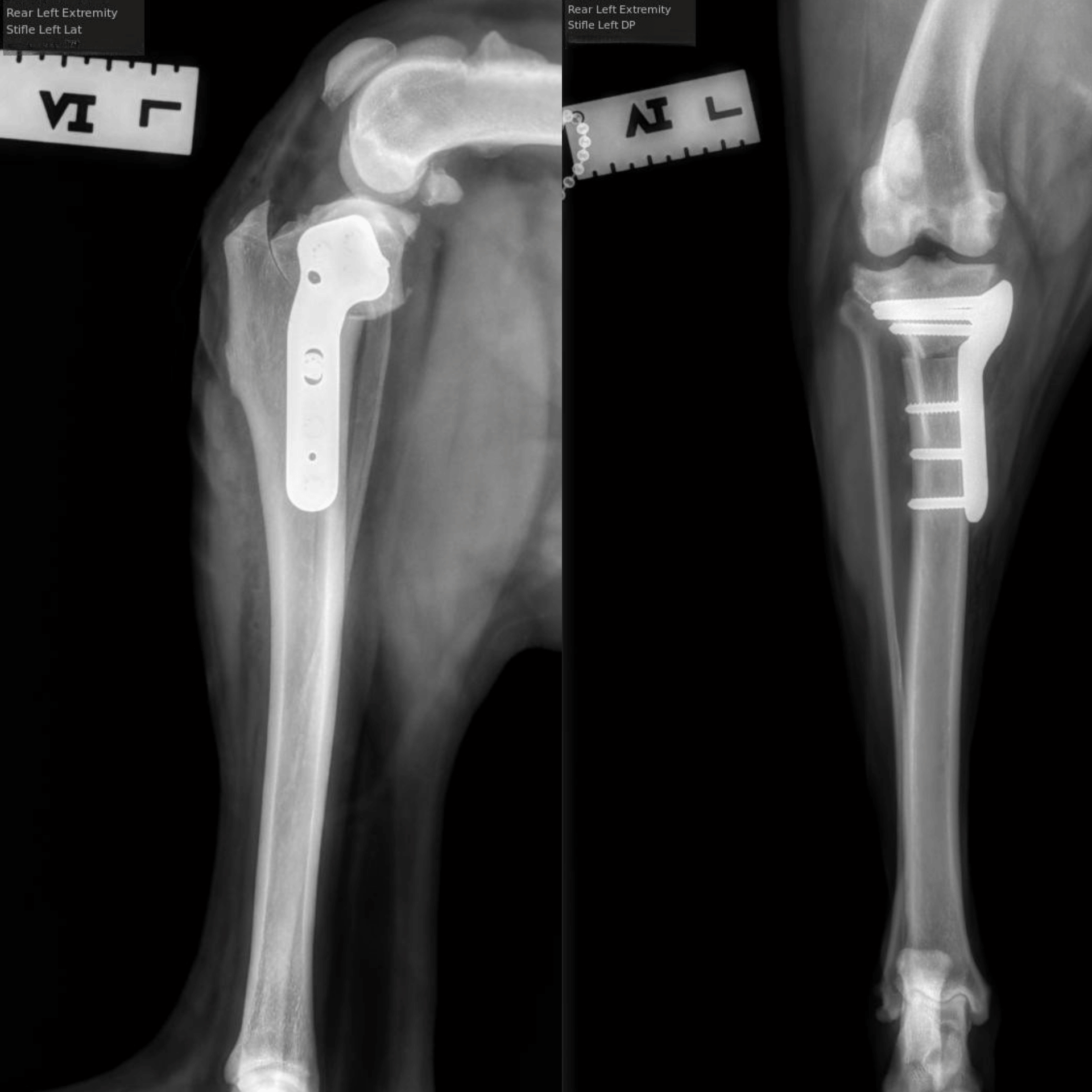
Why TPLO is the Gold Standard
There are several ways to repair a torn CCL, including the lateral suture technique and TTA. Apex Veterinary Surgery favors TPLO because it stabilizes the knee by changing its mechanics, rather than relying on a ligament or implant to hold under load. That tends to mean a more reliable return to full, comfortable function. Your surgeon will walk you through the options and recommend the one that fits your dog.
What the Procedure Involves
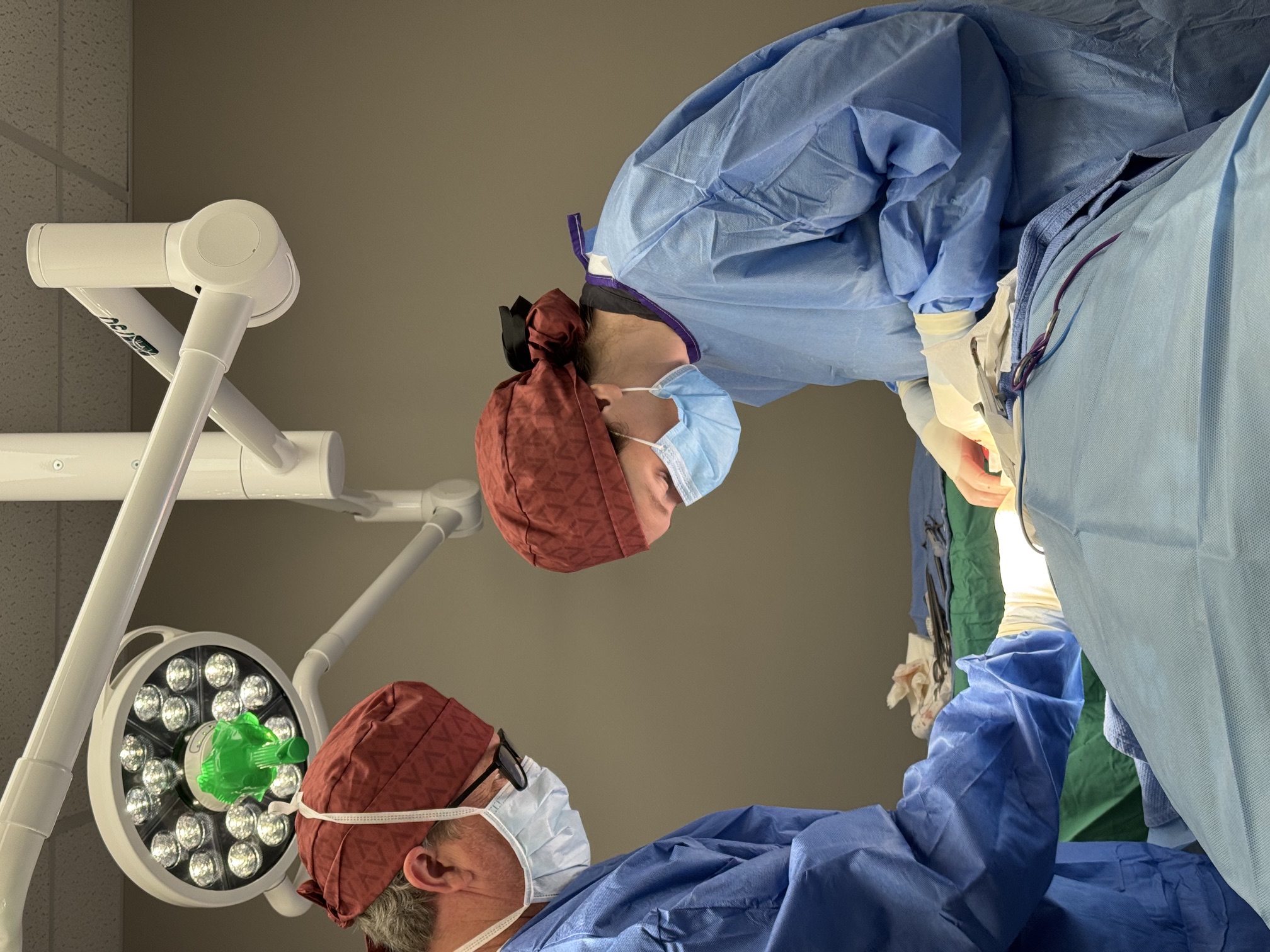
TPLO is performed under general anesthesia by a board-certified surgeon. The surgeon makes a precise cut in the top of the tibia (shin bone), rotates it to level the joint surface, and secures it with a bone plate and screws while it heals. Most dogs go home the same day, and begin easing weight onto the leg within the first days to weeks.
TPLO Recovery Timeline
Every dog heals at their own pace. Your surgeon’s instructions always take priority.
Weeks 0-2: Rest
Rest and incision care. Short leash walks for bathroom breaks only. Pain managed with medication.
Weeks 2-8: Controlled activity
Gradually longer leash walks. No running, jumping, or off-leash play until your veterinarian clears your pet.
Weeks 8-12: Rebuilding strength
Activity increases as the bone heals, guided by a recheck exam. Many dogs are released around this time, but please confirm with the surgeon at your pet’s recheck.
Week 12+: Back to normal
Most dogs return to full, active life
Meet Your Surgeons
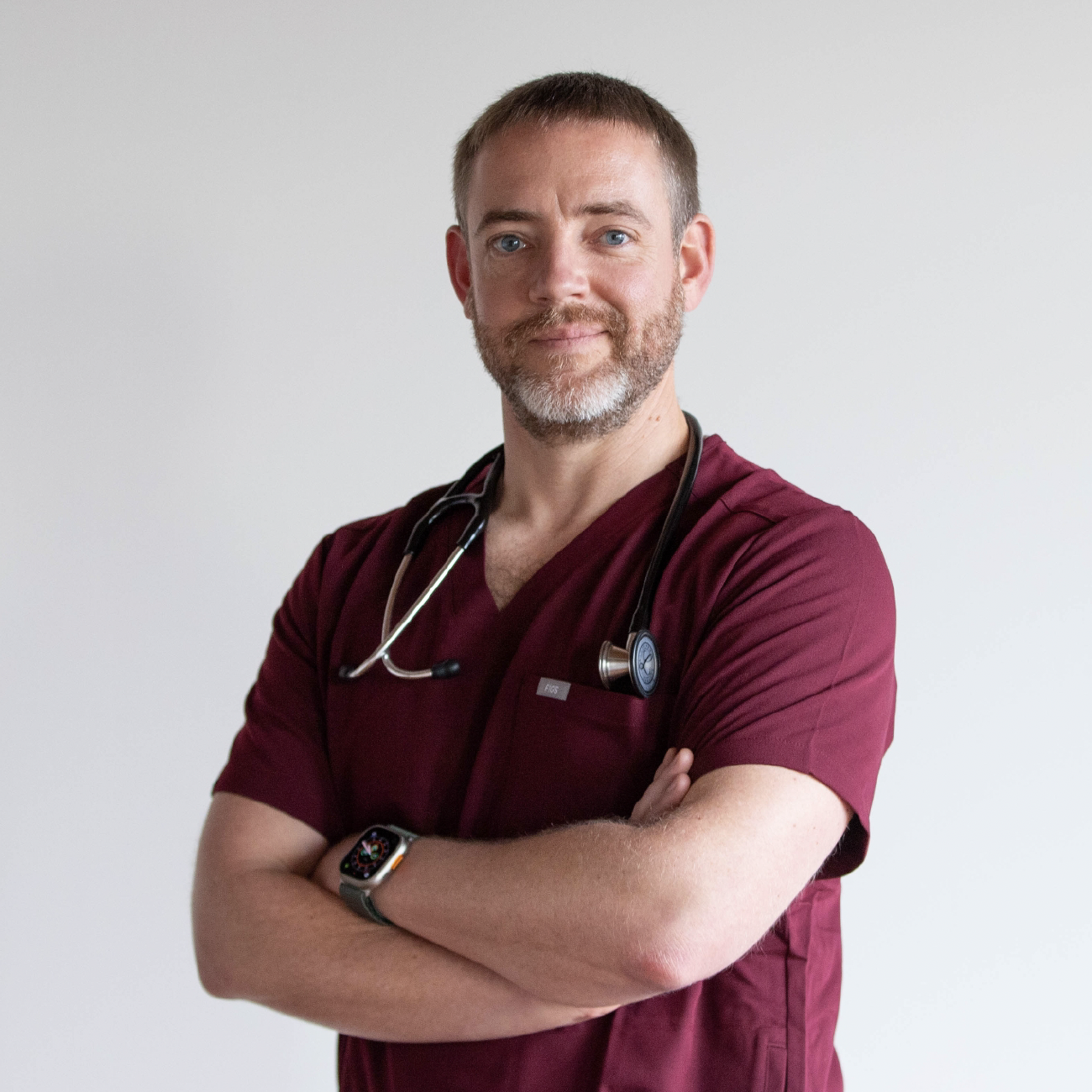
Chase Atwood, DVM, DACVS-SA
Nashville (Brentwood). Board-certified veterinary surgeon (DACVS); Doctor of Veterinary Medicine from Mississippi State University; surgical residency at Memphis Veterinary Specialists. Full bio here.
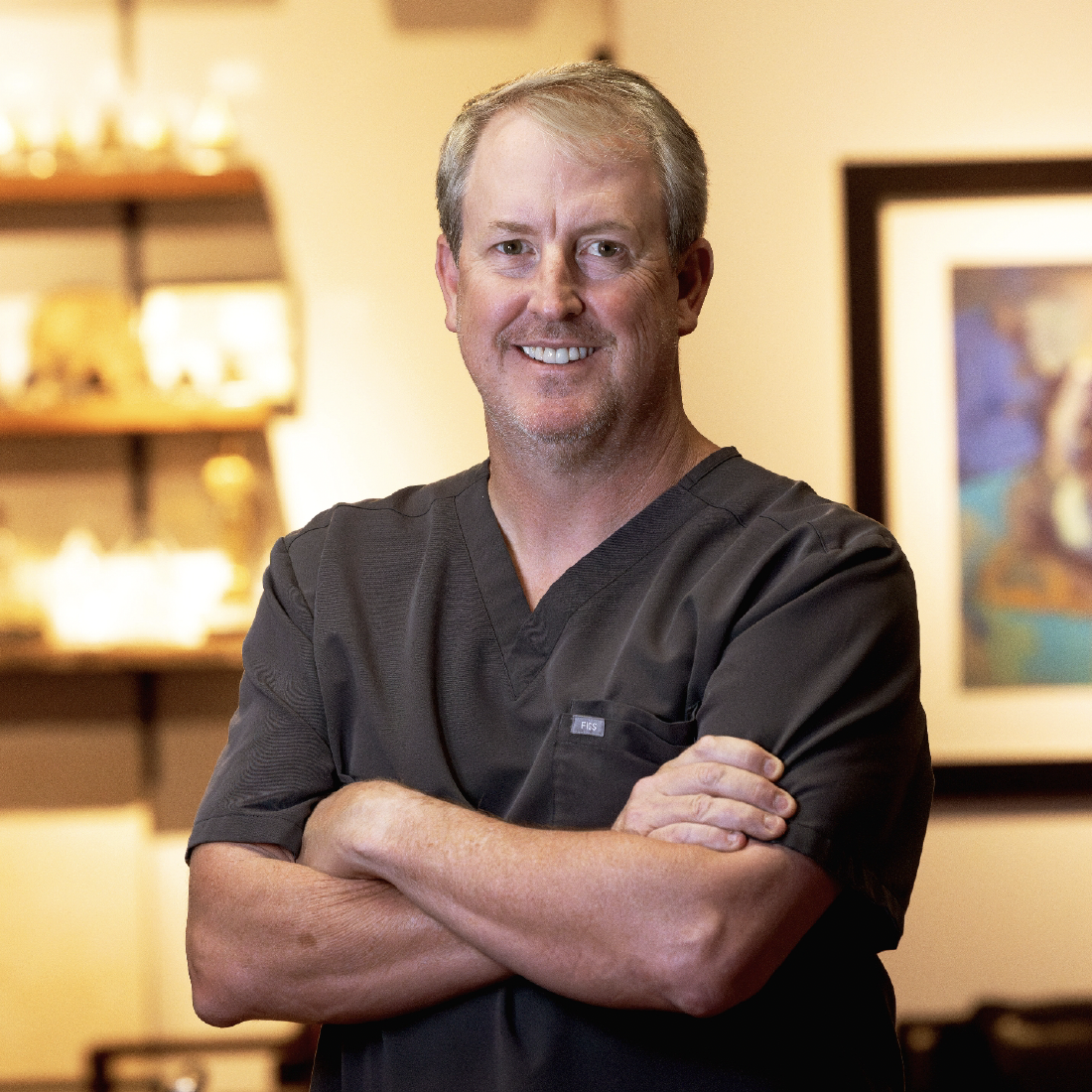
Mac Maxwell, DVM, MS DACVS-SA
For referring veterinarians
Apex is a referral-based surgical practice. If you have a canine CCL case that would benefit from TPLO, referral is simple. We keep you informed at every step and return your patient to your care for follow-up.
Refer a PatientFrequently Asked Questions
How much does TPLO surgery cost?
How long is TPLO recovery?
Most dogs need at least 8 weeks of controlled activity, then return to normal activity, guided by recheck exams along the way. Some dogs are released as early as 6 weeks. Every dog heals at their own pace. Your surgeon’s instructions always take priority.
Is my dog too old for TPLO?
What is the success rate of TPLO?
What happens if we don't do surgery?
Does my dog need a referral?
We are a referral-based practice. Your primary veterinarian can refer you, or you can contact us directly to get started.

NASHVILLE
1804 Williamson Ct, Ste 208
Brentwood, TN 37027
615.997.3960 – Office
615.861.0386 – Cell
MEMPHIS
2999 Centre Oak Way
Germantown, TN 38138
901.430.9997 – Office